
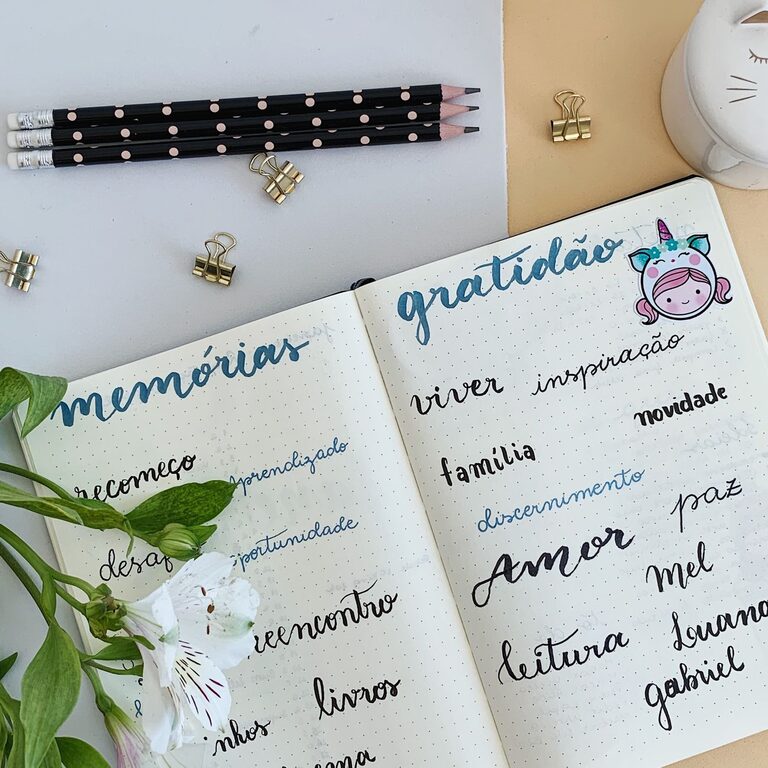
How to Start a Gratitude Journal: A Simple Guide to Boost Happiness
Gratitude journals have become a popular way to cultivate positivity and increase happiness in daily life. Taking a few moments each day to reflect on what you’re thankful for can shift your mindset, reduce stress, and improve overall well-being. If you’ve been curious about starting a gratitude journal but aren’t sure how, this guide will walk you through the simple steps to get started and stay motivated.
What Is a Gratitude Journal?
A gratitude journal is a personal diary where you regularly write down things you appreciate. These can be big moments, like a promotion at work, or small things, like a delicious cup of coffee or a kind smile from a stranger. The key is to focus on positive experiences and emotions as a way to build a habit of thankfulness.
Why Keep a Gratitude Journal?
Research shows that practicing gratitude can:
– Increase happiness and life satisfaction
– Improve sleep quality
– Reduce symptoms of stress and depression
– Strengthen relationships by fostering appreciation
– Boost resilience during challenging times
Writing gratitude regularly helps you notice and remember good things, creating a more optimistic outlook.
How to Start Your Gratitude Journal
1. Choose Your Journal
Pick a notebook or digital app that you feel comfortable using. Some people enjoy a physical journal because it feels personal and encourages mindful writing. Others prefer apps or digital documents for convenience and easy access. Whatever you choose, make sure it’s something you’ll want to use regularly.
2. Set a Routine
Consistency is key when building any habit. Decide on a specific time to write your gratitude entries, whether it’s in the morning to start your day positively or at night as a calming reflection before bed. Even 5 minutes a day is enough.
3. Start Simple
If you’re new to gratitude journaling, begin by listing 3 things you’re thankful for each day. These don’t have to be profound—simple things like “a warm shower,” “my pet’s playful energy,” or “fresh air during my walk” are perfectly fine.
4. Be Specific
Try to go beyond general statements. Instead of “I’m grateful for my family,” write “I’m grateful for the phone call with my sister that made me laugh today.” Specificity helps you connect more deeply with your feelings.
5. Use Prompts if Needed
Some days it can be hard to think of things to write. Using prompts can help spark ideas, such as:
– What made me smile today?
– Who helped me recently?
– What is something I take for granted but am thankful for?
– What’s a positive thing I learned today?
6. Reflect on Challenges
Gratitude journaling isn’t about ignoring difficulties but finding small positives even in hard times. You might write about lessons learned or support you received during a tough situation.
Tips to Keep Your Gratitude Journal Going
– Keep it accessible. Keep your journal somewhere you’ll see it daily.
– Mix it up. Include drawings, photos, or quotes that inspire gratitude.
– Don’t judge your entries. The goal is to feel thankful, not to write perfectly.
– Share your gratitude. Occasionally share your positive thoughts with friends or family.
– Celebrate progress. Notice how your mood or outlook improves over time.
Sample Gratitude Journal Entry
Today I’m grateful for the sunny weather that lifted my spirits, the kind message from a coworker, and the peaceful moment I had reading my favorite book in the evening.
Conclusion
Starting a gratitude journal is an easy, rewarding way to bring more joy into your life. By taking a few minutes each day to focus on what you appreciate, you create a powerful habit that can improve your mindset and well-being. Remember, there’s no right or wrong way to do it—just begin with sincerity and consistency, and watch how gratitude transforms your daily experience.
